


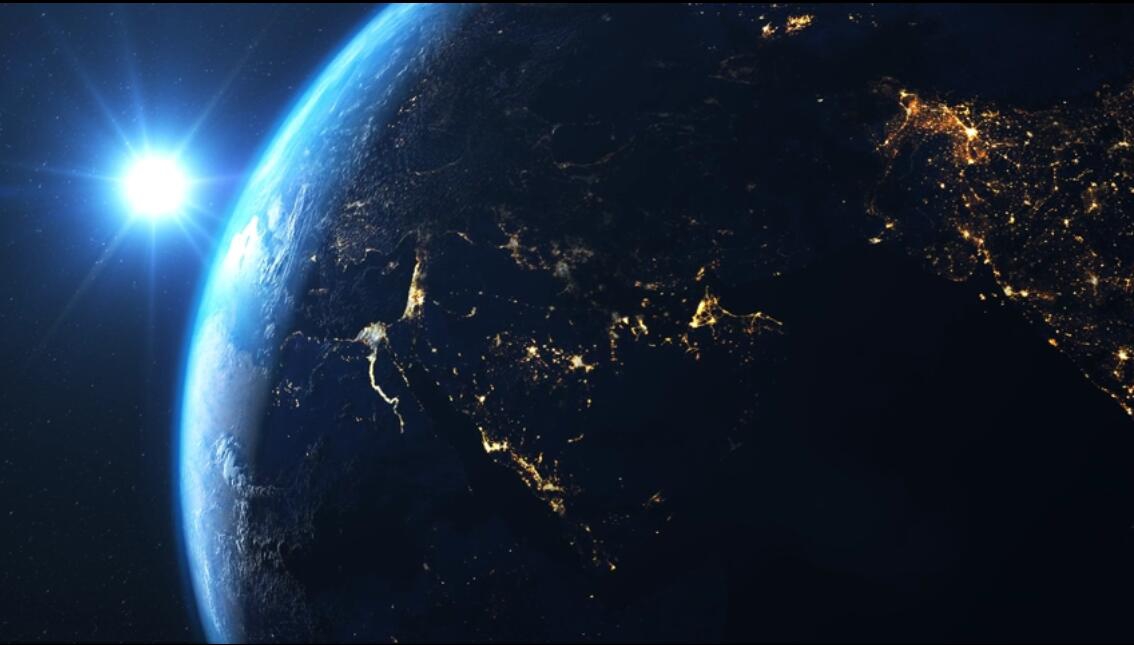
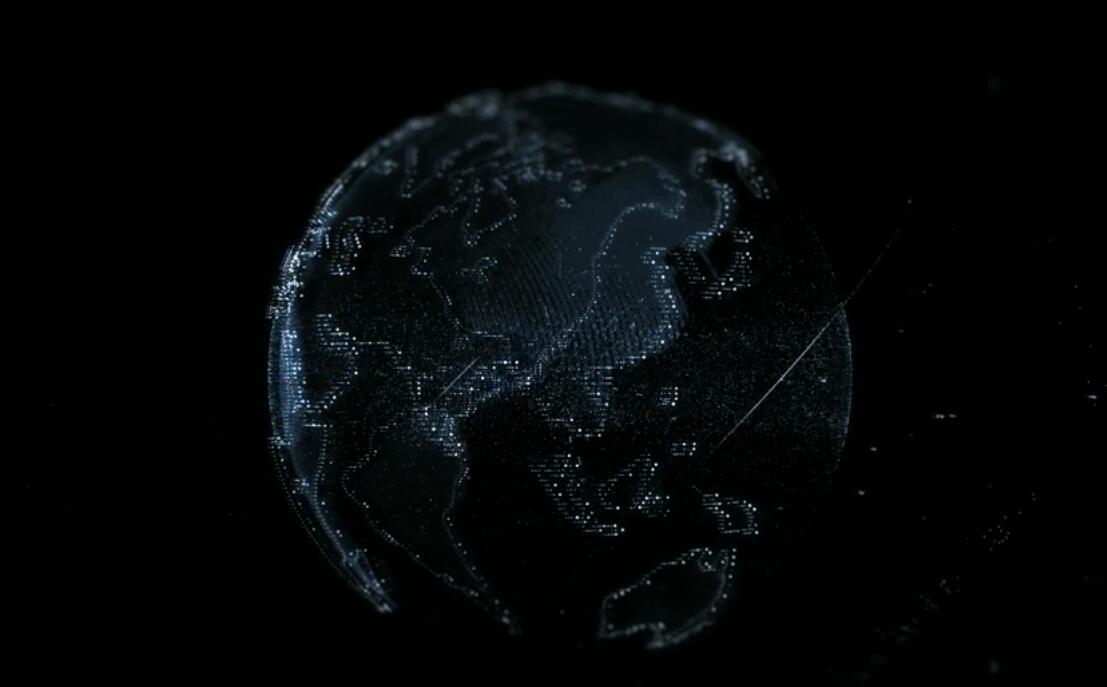




With the rapid advancement of technology, Virtual Reality (VR) has evolved from a concept in science fiction into an integral part of our daily lives. It has not only transformed our experiences in entertainment, education, healthcare, and more, but also granted us the opportunity to transcend time and space and touch infinite possibilities.
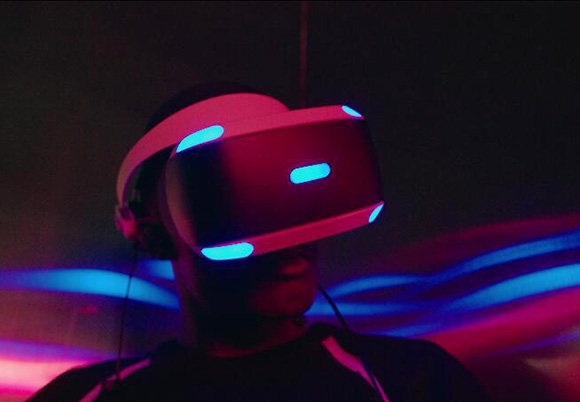
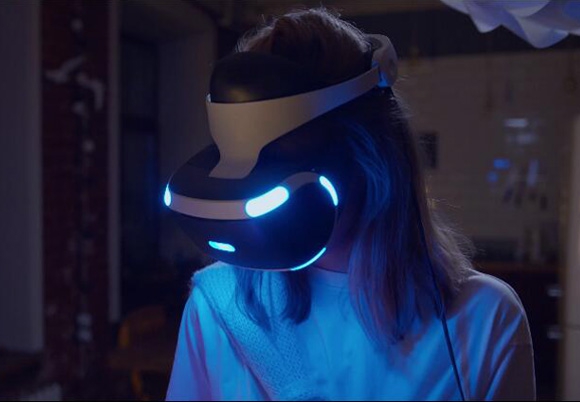
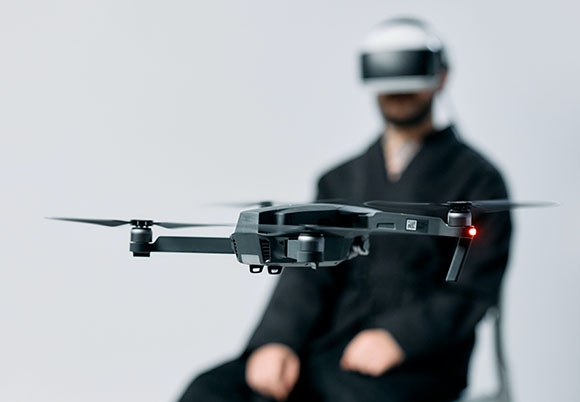
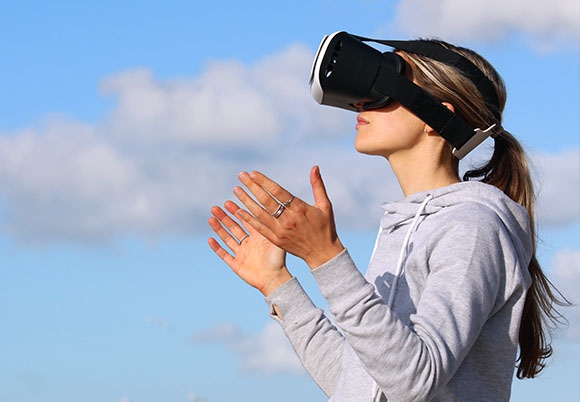
VR technology simulates three-dimensional environments, making users feel as if they are truly immersed in another world. With head-mounted devices, we can see, hear, and even sense everything within this virtual realm. This enables us to explore the world in entirely new ways and experience different lives firsthand.
Throughout the long river of history, VR allows us to journey back in time and witness civilizations that have long vanished. Through VR, we can travel to ancient Egypt and observe the construction of the pyramids with our own eyes, or return to medieval Europe to experience the glory of knights and castles. This immersive experience deepens our understanding of history and helps us feel the evolution of human civilization.
When it comes to exploring the future, VR also opens a window for us. With this technology, we can preview future cities, experience next-generation transportation, and even glimpse how humans might live in the years to come. VR empowers us to envision boundless possibilities, filling us with anticipation and hope for what lies ahead.
Beyond historical and futuristic exploration, VR also offers limitless space for artistic creation. In virtual worlds, artists can freely unleash their imagination to create works that transcend physical reality. Innovative formats such as VR galleries and VR concerts deliver unprecedented sensory experiences to audiences.
In education, the potential of VR is truly immense. It breaks away from traditional classroom teaching models, allowing students to immerse themselves directly in the subject matter. Through VR, learners can step into ancient civilizations to witness historical transformations or dive into the microscopic world to uncover biological mysteries. This immersive learning approach not only sparks students’ curiosity but also cultivates their powers of observation, critical thinking, and creativity.
Of course, VR has many other applications as well. In healthcare, it assists surgeons in practicing complex procedures through realistic simulations, enhancing precision and safety. In the gaming industry, VR delivers unparalleled realism and immersion. In tourism, VR enables people to virtually visit famous landmarks and heritage sites around the world—all from the comfort of home.
However, despite the vast opportunities VR offers, we must remain vigilant about its potential risks. Excessive immersion in virtual environments may lead individuals to neglect real-life responsibilities and even trigger psychological issues. Therefore, when using VR technology, we must stay grounded, clearly distinguishing between the virtual and the real.
Virtual Reality has opened a new world brimming with infinite possibilities—allowing us to traverse time, connect with both past and future, and explore realms once confined to imagination. Yet, we must also approach this powerful technology with caution, ensuring it enhances human well-being without negatively impacting our lives. Let us look forward together to the future evolution of VR, embrace the unknown, and co-create a better tomorrow.